
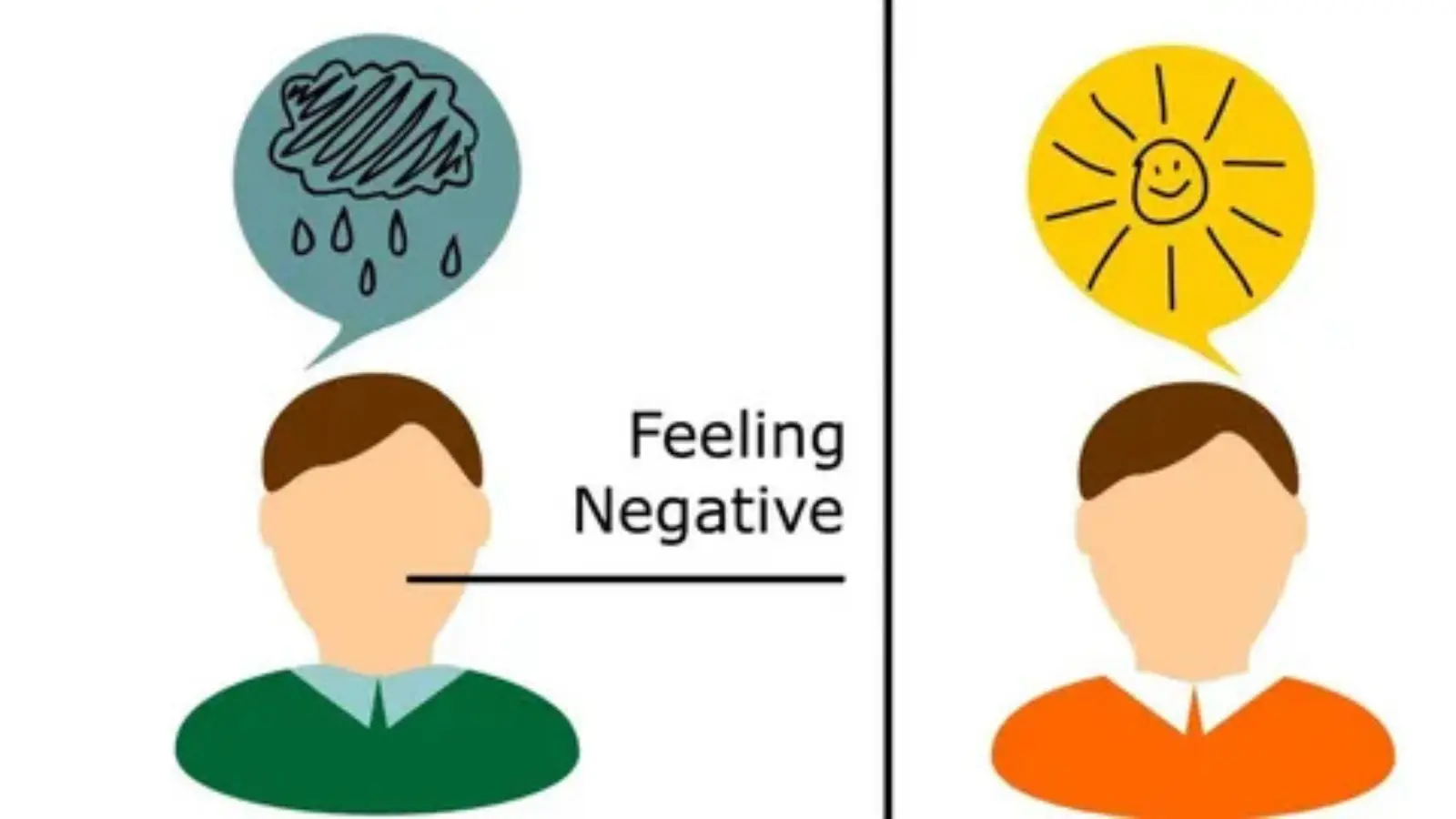
A negative effect synonym is a word or phrase that describes a harmful, undesirable, damaging, or unfavorable result caused by an action, event, decision, or situation.
The best alternatives include adverse effect, harmful impact, detrimental consequence, drawback, downside, damage, and unfavorable outcome. However, each synonym carries a different tone, level of severity, and context.
Choosing the right synonym improves clarity, persuasion, and professionalism. A scientific report may require “adverse effect,” while everyday conversation may sound more natural with “downside” or “drawback.” Understanding these differences helps writers communicate more precisely.
Understanding the Meaning of “Negative Effect”
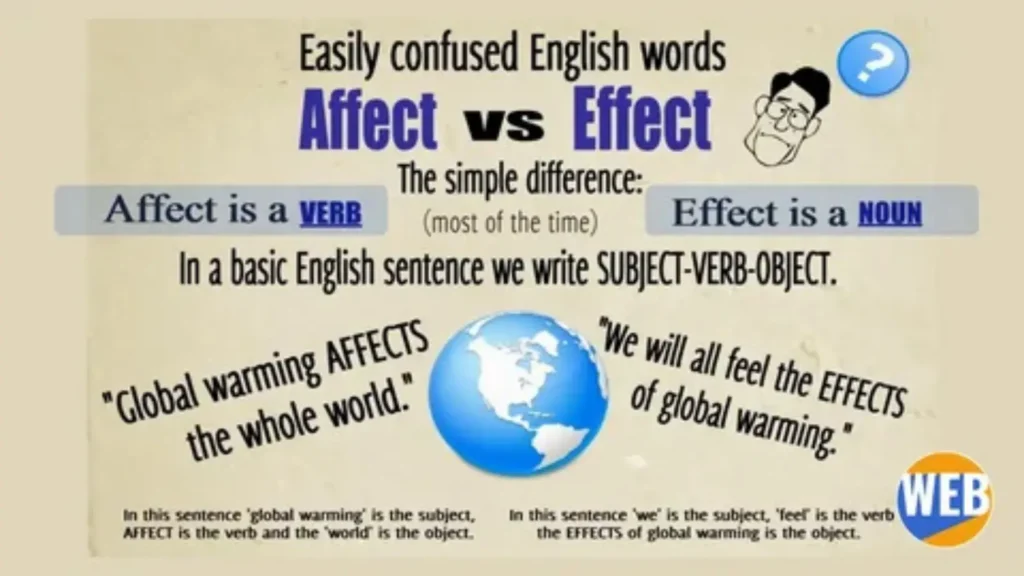
The phrase negative effect refers to any result that creates problems, harm, loss, inconvenience, or reduced quality. It is commonly used in:
- Research and science
- Business analysis
- Healthcare communication
- Education
- Environmental discussions
- Personal development
- Journalism
- Marketing analysis
The phrase contains two key ideas:
Negative → undesirable, harmful, unfavorable, or problematic
Effect → a result, influence, consequence, or outcome
Together, “negative effect” describes an unwanted result.
The Negative Effect Synonym Hierarchy
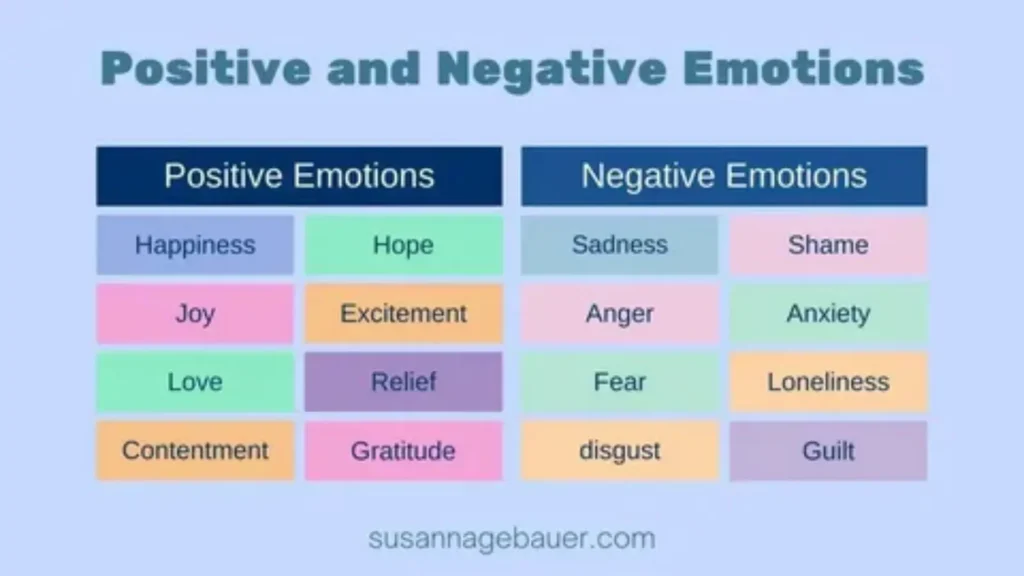
Not all synonyms are equal. They exist on a spectrum of intensity.
| Intensity | Synonym | Meaning |
| Mild | Downside | A minor disadvantage |
| Mild | Drawback | A limitation or weakness |
| Moderate | Disadvantage | Something that reduces value |
| Moderate | Unfavorable outcome | A result that is not beneficial |
| Strong | Adverse effect | A harmful consequence |
| Strong | Harmful impact | A damaging influence |
| Very strong | Detrimental consequence | Serious negative result |
| Very strong | Damage | Actual harm or loss |
This hierarchy helps writers select vocabulary based on the seriousness of the situation.
Best Synonyms for Negative Effect by Context
1. Everyday Conversation
In casual communication, simpler words usually sound more natural.
Downside
Definition: The negative aspect or disadvantage of something.
Tone: Neutral, conversational
Formality: Informal to neutral
Best used for:
- Personal opinions
- Product discussions
- Everyday decisions
Common collocations:
- The downside of technology
- A major downside
- The only downside
Example:
The downside of working remotely is that some people miss social interaction.
Comparison:
“Downside” suggests inconvenience, not serious harm.
Drawback
Definition: A feature that reduces the usefulness or appeal of something.
Tone: Balanced and analytical
Formality: Neutral
Example:
One drawback of the new system is the higher maintenance cost.
Difference from downside:
A drawback often sounds more objective and evaluative, while downside feels more conversational.
Professional and Business Writing
Business communication often requires precise, neutral language.
Adverse Effect
Definition: A harmful or unfavorable result.
Tone: Professional, objective
Formality: High
Common collocations:
- Adverse effects on performance
- Adverse economic effects
- Adverse market conditions
Example:
The policy change could have adverse effects on small businesses.
Best contexts:
- Reports
- Corporate documents
- Risk assessments
- Legal writing
Negative Impact
Definition: A harmful influence or result.
Tone: Clear and widely understood
Formality: Neutral to professional
Example:
The project had a negative impact on customer satisfaction.
Usage note:
“Negative impact” is one of the closest replacements for “negative effect” because both describe harmful influence.
Academic and Scientific Writing
Academic writing requires accuracy and measurable meaning.
Detrimental Effect
Definition: A harmful effect that causes damage or reduced effectiveness.
Tone: Formal, serious
Formality: Very high
Example:
Excessive stress can have detrimental effects on cognitive performance.
Common fields:
- Psychology
- Medicine
- Environmental science
- Education research
Consequence
Definition: A result that follows an action or event.
Tone: Neutral
Formality: Flexible
Example:
Poor nutrition may have long-term consequences for health.
Important distinction:
A consequence can be positive or negative. Add context if the meaning is unclear.
Emotional Expression and Personal Communication
When describing feelings or relationships, emotional vocabulary matters.
Harm
Definition: Physical, emotional, or psychological damage.
Tone: Strong and direct
Example:
Constant criticism can cause emotional harm.
Disruption
Definition: An interruption that creates difficulty or problems.
Example:
The sudden change caused disruption to daily routines.
“Disruption” is useful when the negative effect involves inconvenience rather than damage.
Creative and Literary Writing
Creative writing benefits from stronger imagery.
| Word | Emotional Quality | Example |
| Ruin | Extreme damage | The decision brought ruin to the once-thriving town. |
| Fallout | Negative aftermath | The scandal created lasting fallout. |
| Burden | Emotional weight | The responsibility became a heavy burden. |
| Setback | Temporary difficulty | The failure was a setback, not the end. |
Creative writers should avoid repeating “negative effect” because stronger vocabulary creates more vivid storytelling.
Negative Effect vs Related Words
| Word | Difference |
| Negative Effect | General harmful result |
| Impact | Influence or change, positive or negative |
| Consequence | Result that follows an action |
| Damage | Actual harm or loss |
| Risk | Possibility of harm in the future |
| Problem | A difficulty requiring attention |
| Issue | A matter requiring consideration |
Negative Effect vs Impact
“Impact” is broader. It can describe positive or negative influence.
Example:
- Negative impact on sales ✅
- Positive impact on education ✅
Negative Effect vs Consequence
“Consequence” emphasizes what happens afterward.
Example:
The consequence of poor planning was project failure.
Negative Effect vs Damage
“Damage” is stronger because it implies actual harm.
Example:
Pollution caused environmental damage.
Context Selection Matrix
Use this guide to choose the most natural synonym.
| Situation | Recommended Word |
| Research paper | Adverse effect |
| Business report | Negative impact |
| Casual discussion | Downside |
| Product review | Drawback |
| Medical writing | Side effect / adverse effect |
| Environmental issue | Harmful impact |
| Legal document | Detrimental consequence |
| Personal situation | Setback |
Common Collocations With Negative Effect Synonyms
Natural word combinations improve writing quality.
With “Effect”
- Adverse effect
- Side effect
- Harmful effect
- Long-term effect
With “Impact”
- Negative impact
- Harmful impact
- Environmental impact
- Social impact
With “Consequence”
- Serious consequence
- Long-term consequence
- Unintended consequence
With “Damage”
- Permanent damage
- Environmental damage
- Financial damage
Common Mistakes When Choosing Synonyms
Mistake 1: Using “consequence” as always negative
A consequence can be positive or negative.
Incorrect:
The positive consequence caused improvement.
Better:
The positive outcome caused improvement.
Mistake 2: Overusing formal words
Words like “detrimental” and “adverse” are useful but may sound unnatural in casual conversation.
Instead of:
The adverse effect of missing breakfast was hunger.
Use:
The downside of skipping breakfast was feeling hungry.
Mistake 3: Confusing risk with effect
A risk is a possibility. An effect is a result.
Example:
Risk:
Smoking increases the risk of disease.
Effect:
Smoking has harmful effects on health.
Vocabulary Ladder: Improving Your Writing
Basic:
This has a bad effect.
Better:
This has a negative impact.
Advanced:
This produces adverse consequences.
Expert:
This creates long-term detrimental effects across multiple areas.
Strong vocabulary is not about using complicated words. It is about choosing the most accurate word.
Writing Tips for Using Negative Effect Synonyms
- Match the seriousness
- Use “drawback” for minor problems.
- Use “damage” for real harm.
- Consider your audience
- Public readers prefer simple language.
- Experts may expect technical terminology.
- Avoid unnecessary complexity
- Clear language is usually stronger than impressive vocabulary.
-
Use specific descriptions
Instead of:
The policy had negative effects.
Write:
The policy reduced employee satisfaction and increased operating costs.
Specificity creates credibility.
FAQ: Negative Effect Synonym Questions
What is the best synonym for negative effect?
The best synonym depends on context. “Adverse effect” is ideal for formal writing, while “downside” works better in everyday conversation.
What is a stronger word than negative effect?
Stronger alternatives include:
- Detrimental consequence
- Harmful impact
- Damage
- Destructive effect
What is a professional synonym for negative effect?
Professional alternatives include:
- Adverse effect
- Negative impact
- Unfavorable outcome
- Detrimental consequence
What is the opposite of negative effect?
Common antonyms include:
- Positive effect
- Benefit
- Advantage
- Improvement
- Positive outcome
- Advantageous result
Final Recommendation: Choosing the Right Negative Effect Synonym
The most effective synonym is not always the most advanced word. The right choice depends on meaning, audience, and tone.
Use:
- Downside for casual conversations
- Drawback for balanced evaluations
- Negative impact for general professional writing
- Adverse effect for formal and scientific contexts
- Detrimental consequence for serious situations
- Damage when actual harm has occurred
Mastering these distinctions turns ordinary writing into precise, persuasive communication. A strong vocabulary is not simply knowing more words it is knowing exactly when each word belongs.

Hemingway apni simple aur powerful writing style ke liye jane jate hain. Unki famous works mein The Old Man and the Sea aur A Farewell to Arms shamil hain. Unhe Nobel Prize bhi mila tha.