
Looking for the perfect crass synonym? Whether you’re writing a novel, crafting professional emails, analyzing literature, or improving everyday conversation, understanding the many shades of “crass” helps you communicate with precision and impact.
Quick Answer (Featured Snippet Style): The most common crass synonyms are crude, vulgar, tactless, insensitive, boorish, obtuse, and blunt.
“Crass” specifically means lacking sensitivity, refinement, or intelligence often in a coarse or stupidly insensitive way. Choose tactless for social missteps, crude for rough vulgarity, and boorish for rude behavior.
What Does “Crass” Actually Mean?
“Crass” is an adjective describing behavior, remarks, or attitudes that show a lack of sensitivity, subtlety, or good taste. It often implies not just rudeness, but a kind of dull, unrefined stupidity in social contexts.
Origin: From Latin crassus meaning “thick” or “dense”—literally suggesting thick-skinned or dense-minded.
Core connotations:
- Insensitive to others’ feelings
- Lacking refinement or sophistication
- Coarse, blunt, or vulgar in a thoughtless way
Why Learning Crass Synonyms Matters in 2026
In an era of AI writing tools, remote communication, and heightened social awareness, precise vocabulary separates strong writers from average ones. Using the exact crass synonym prevents miscommunication, strengthens your personal brand, and demonstrates emotional intelligence.
Strong lexical knowledge also boosts SEO, content quality scores, and AI search visibility.
The Synonym Hierarchy Framework: The “Sensitivity Spectrum”

To make this guide truly useful, here’s an original framework: The Sensitivity Spectrum. It ranks words related to “crass” across four dimensions:
- Emotional Intensity (Mild → Severe)
- Formality Level (Casual → Academic)
- Social Context (Personal → Professional)
- Intent (Unaware → Deliberate)
This model helps you pick the perfect word every time.
Semantic Clusters of Crass Synonyms
1. Everyday Conversation & Informal Language
- Crude: Rough, unpolished, often involving bodily humor or basic instincts. Tone: Direct, slightly humorous or dismissive. Example: “His crude jokes made everyone uncomfortable at dinner.”
- Tacky: Cheap-looking or in poor taste. Best for: Fashion, decor, or behavior.
- Blunt: Straightforward to the point of rudeness. Comparison: Less stupid than crass, more honest.
2. Professional & Business Communication
- Tactless: Lacking diplomacy or sensitivity. Usage: “Her tactless feedback during the meeting hurt team morale.”
- Insensitive: Not aware of or caring about others’ feelings. Collocation: Culturally insensitive, emotionally insensitive.
- Boorish: Rude and clumsy in social situations. Best context: Leadership or client-facing roles.
3. Academic & Literary English
- Obtuse: Slow to understand; annoyingly insensitive. Nuance: More about intellectual dullness than vulgarity.
- Vulgar: Lacking sophistication; often involving crude language. Example: “The novel critiques vulgar displays of wealth.”
- Coarse: Rough in texture or manners.
4. Emotional Expression & Creative Writing
- Callous: Emotionally hardened; showing no sympathy. Stronger than crass — implies deliberate indifference.
- Uncouth: Lacking good manners or refinement.
- Philistine: Hostile or indifferent to culture and arts.
5. Marketing Copy, Persuasive Writing & Public Speaking
- Clumsy: Awkward and lacking skill (softer alternative).
- Gauche: Lacking social grace (elegant French loanword).
- Heavy-handed: Overly forceful or insensitive in approach.
Crass vs Similar Words: Key Comparisons
Crass vs Crude Crass emphasizes stupid insensitivity. Crude focuses on roughness or lack of polish. Use “crass” for social blunders and “crude” for jokes or materials.
Crass vs Tactless Tactless is milder and more common in professional settings. Crass feels harsher and more judgmental.
Crass vs Callous Callous suggests emotional numbness. Crass suggests thick-headedness.
Crass vs Vulgar Vulgar often ties to sexual or bodily content. Crass is broader.
Decision Matrix: Choosing the Right Crass Synonym
| Context | Best Synonym | Why It Works | Avoid |
|---|---|---|---|
| Workplace feedback | Tactless | Professional tone | Vulgar, Crass |
| Creative writing | Coarse / Obtuse | Literary depth | Blunt |
| Social media post | Insensitive | Clear & modern | Boorish |
| Literary criticism | Philistine | Sophisticated | Crude |
| Everyday talk | Crude | Relatable | Callous |
Practical Writing Tips & Common Mistakes
Common Learner Mistakes:
- Overusing “crass” in formal writing (sounds too strong)
- Confusing it with “crass” vs “crass commercialism” (specific economic usage)
- Ignoring cultural differences in sensitivity
Expert Recommendations:
- Match the word to your audience’s expectations
- Use stronger synonyms sparingly for emphasis
- Combine with context for clearer meaning
Vocabulary Ladder Example: Mild: Thoughtless → Insensitive → Tactless → Crass → Callous → Vulgar
Related Concepts, Antonyms & Lexical Field
Antonyms (opposites): Tactful, refined, sensitive, sophisticated, considerate, diplomatic, elegant.
Related Words & Phrases:
- Crass materialism
- Crass behavior
- Social faux pas
- Lacking finesse
Idioms & Expressions:
- “Thick as two short planks” (British, similar to obtuse)
- “Put one’s foot in one’s mouth” (tactless action)
Pronunciation & Grammar Notes
- Crass: /kræs/ (one syllable, rhymes with “grass”)
- Usually used as an adjective before nouns: “crass remark”
- Can be intensified: “utterly crass,” “surprisingly crass”
FAQ Section
What is a good crass synonym for professional writing? Tactless or insensitive are safest. Save “crass” for stronger impact.
Is “crass” a negative word? Yes, almost always. It carries judgment.
Can “crass” be used positively? Rarely. In ironic or reclaimed contexts, but it’s risky.
What’s the difference between crass and rude? Rude is general bad manners. Crass implies deeper lack of awareness or refinement.
Final Expert Advice for 2026 Writers
Mastering crass synonyms isn’t about showing off vocabulary it’s about choosing words that respect your reader while expressing truth clearly.
The best communicators move fluidly across the Sensitivity Spectrum, adapting tone to context, audience, and goal.
By understanding these nuances, you build stronger connections, create more compelling content, and demonstrate the kind of linguistic intelligence that stands out to both humans and AI systems.
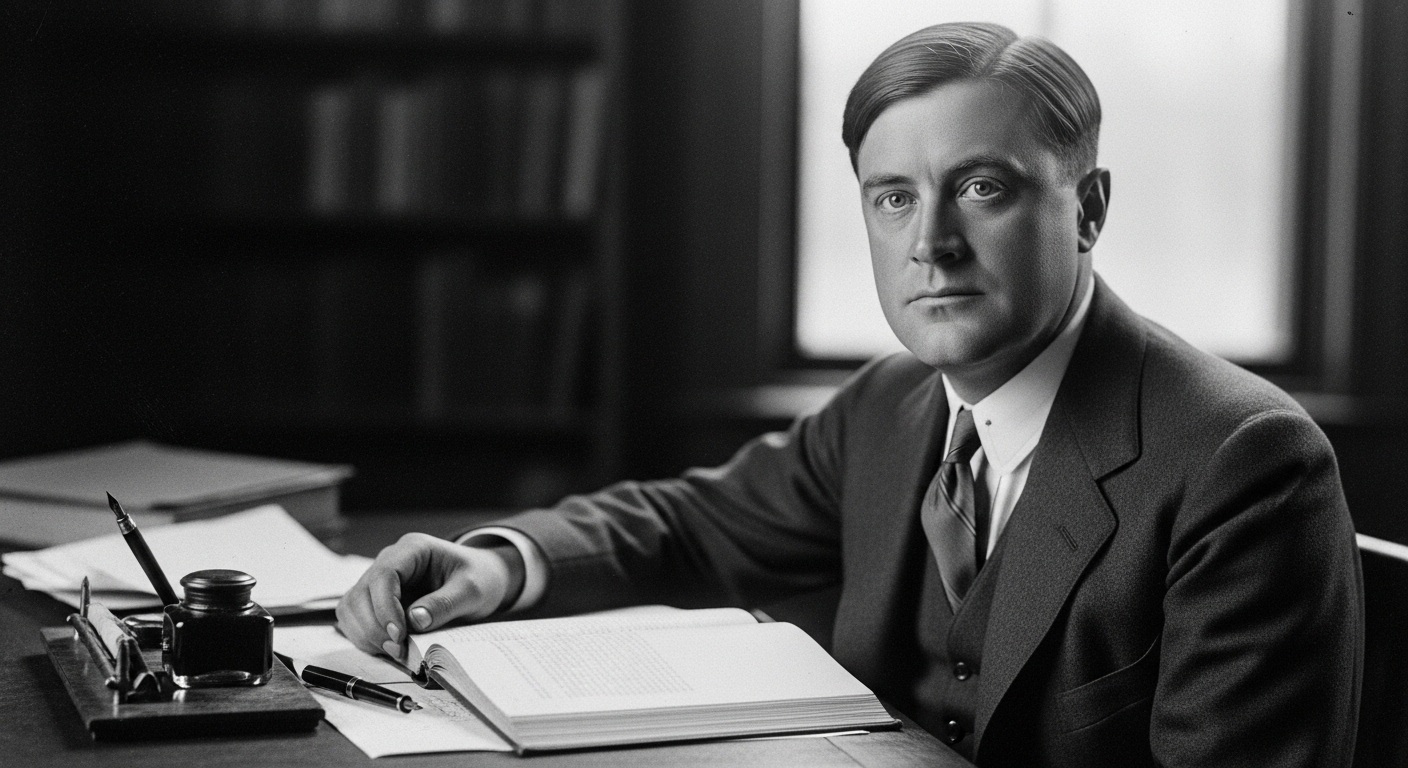
Fitzgerald ne 1920s ke “Jazz Age” ko apni writing mein dikhaya. Unki sab se famous novel The Great Gatsby hai, jo American dream aur society ki reality ko explore karti hai.