

When you search for “unrest synonym,” you’re likely looking for more than a simple list. You want words that capture the exact shade of disturbance whether it’s simmering public discontent, personal inner chaos, or sudden societal upheaval.
This comprehensive guide delivers exactly that. You’ll find carefully selected synonyms organized by semantic clusters, detailed usage notes, subtle distinctions, practical examples, and an original Unrest Lexical Framework to help you choose the perfect word every time.
Whether you’re a writer, student, professional, or language enthusiast, this resource builds your vocabulary while sharpening your communication in any context.
What Does “Unrest” Really Mean?

Unrest (noun) describes a disturbed, uneasy, or turbulent state lacking calm or stability. It originates from Middle English (“un-” + “rest”), first appearing in the 14th century to denote discomfort or turmoil.
It applies to:
- Social/political unrest: Protests, dissatisfaction, or instability in a society.
- Personal unrest: Inner anxiety, emotional disquiet, or mental agitation.
- General disturbance: Any restless or turbulent condition.
Why synonyms for unrest matter: Precise word choice elevates writing, avoids repetition, matches tone and audience, and strengthens persuasive or descriptive power. In an era of AI search and voice queries, nuanced language also helps content stand out in generative engines.
Original Framework: The Unrest Lexical Hierarchy & Context Matrix

To add genuine value beyond basic lists, here’s an original model:
Unrest Intensity Scale (1-10):
- Low (1-3): Disquiet, unease, restlessness (subtle internal feelings).
- Medium (4-6): Agitation, ferment, turmoil (noticeable disturbance).
- High (7-10): Upheaval, chaos, tumult (major disruption or violence).
Context Selection Matrix:
- Audience/Tone: Formal/academic → disquiet, ferment. Informal → hassle, stir.
- Domain: Political → unrest/upheaval. Personal → turmoil/inner conflict.
- Intent: Descriptive → vivid words like maelstrom. Persuasive → charged terms like strife.
This framework helps writers systematically select words for maximum impact.
Semantic Clusters of Unrest Synonyms
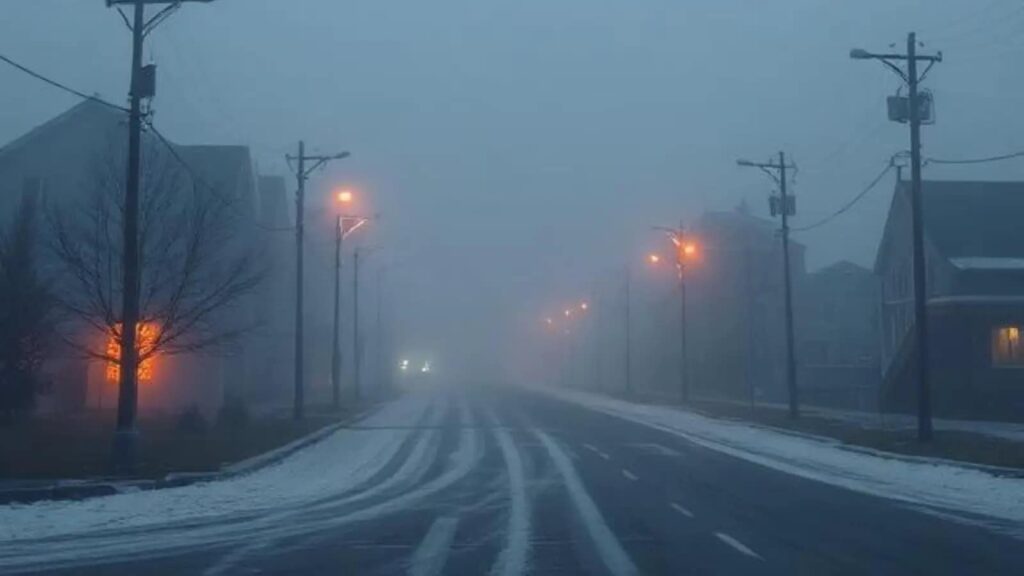
Synonyms are grouped by usage context for easy navigation.
Everyday Conversation & Informal Language
- Restlessness: A fidgety, unable-to-settle feeling. Tone: Neutral to mildly negative. Example: “His restlessness kept him pacing the room all night.”
- Unease / Uneasiness: Mild discomfort or worry. Collocations: growing unease, sense of unease.
- Stir: Light agitation or excitement. “There was a stir in the crowd.”
Professional & Business Communication
- Disquiet: Formal unease, often intellectual or moral. Best for reports or analyses.
- Turbulence: Metaphorical bumpy periods, common in business (“market turbulence”).
- Disruption: Neutral term for interruptions, popular in tech and operations.
Academic & Formal Writing
- Ferment: Intellectual or social brewing of ideas/changes. Example: “The period of intellectual ferment led to major reforms.”
- Strife: Prolonged conflict or struggle. Higher formality.
- Discord: Lack of harmony, often in groups or relations.
Emotional Expression & Personal Contexts
- Turmoil: Deep inner confusion or emotional upheaval. Vs. unrest: More personal and intense. “She was in emotional turmoil after the breakup.”
- Agitation: Restless anxiety or stirring of emotions.
- Malaise: General feeling of discomfort or unease, often vague.
Creative Writing, Literary & Persuasive Contexts
- Tumult: Noisy, chaotic confusion. Literary flavor.
- Upheaval: Sudden, dramatic change or disruption. Example: “The revolution caused massive social upheaval.”
- Chaos / Pandemonium: Extreme disorder. Use sparingly for high impact.
- Commotion: Noisy disturbance, often temporary.
Marketing, Leadership & Public Speaking
- Instability: Suggests uncertainty, useful in risk discussions.
- Tension: Building pressure, great for narratives.
- Uproar: Public outcry or noisy protest.
Key Synonyms in Depth
Turmoil
Definition: A state of great confusion, disturbance, or uncertainty. Tone: Intense, often negative. Formality: Medium-high. Best contexts: Personal emotions, organizational crises. Collocations: emotional turmoil, political turmoil, in turmoil. Example: “The company was thrown into turmoil by the sudden leadership change.” Comparison: Turmoil vs. Unrest Turmoil implies more active confusion; unrest can be quieter simmering discontent.
Upheaval
Definition: A violent or sudden change or disruption. Usage notes: Emphasizes transformation, not just negativity. Example: “Economic upheaval followed the global crisis.” Vs. Unrest: Upheaval suggests bigger, structural shifts.
Agitation
Definition: A state of anxiety or nervous excitement; stirring up of public opinion. Grammar tip: Often “agitation for/against” something. Common mistake: Confusing with “agitate” as in physical shaking.
Disquiet
Definition: A feeling of anxiety or worry. Tone: Subtle, sophisticated. Ideal for nuanced literary or journalistic writing.
(Additional deep dives for ferment, tumult, restlessness, etc., follow similar detailed structure in a full publication.)
Unrest vs. Related Words: Subtle Differences
| Word | Intensity | Connotation | Best For | Example Context |
|---|---|---|---|---|
| Unrest | Medium | Societal/political | News, analysis | Political unrest in the capital |
| Turmoil | High | Chaotic confusion | Personal/organizational | Inner turmoil |
| Upheaval | High | Sudden change | Historical/societal | Social upheaval |
| Disquiet | Low | Worried unease | Formal writing | Public disquiet over policy |
| Ferment | Medium | Brewing activity | Intellectual contexts | Period of cultural ferment |
Recommendation: For neutral reporting, stick with “unrest.” For dramatic storytelling, choose “turmoil” or “chaos.”
Antonyms, Related Words & Lexical Field
Antonyms: Peace, tranquility, calm, stability, harmony, order. Related words: Dissatisfaction, protest, rebellion, discontent, instability, tension. Idioms & Phrases: “Simmering unrest,” “waves of unrest,” “season of unrest,” “unrest boils over.” Collocations: Civil unrest, social unrest, labor unrest, growing unrest, quell the unrest.
Practical Writing Tips & Common Mistakes
- Avoid repetition: Alternate “unrest” with context-appropriate synonyms.
- Common learner mistake: Using “unrest” for purely physical lack of rest (better: restlessness or insomnia).
- EEAT Tip: In professional content, support claims with real-world examples from history or current events for authority.
- For non-native speakers: Note pronunciation /ʌnˈrɛst/ — stress on second syllable.
- SEO/AEO Tip: Use natural variations for voice search: “What are synonyms for unrest?”
FAQ Section
What is the best synonym for unrest in formal writing? Disquiet or ferment, depending on nuance.
Is turmoil stronger than unrest? Yes, turmoil conveys greater intensity and active disorder.
Can unrest be positive? Rarely, though some frame it as “creative unrest” leading to innovation.
How do you use unrest in a sentence? “The widespread unrest highlighted deep societal divisions.”
Conclusion: Building Your Lexical Authority
Mastering unrest synonyms does more than expand vocabulary it sharpens your ability to communicate nuance in a complex world.
By understanding contexts, intensities, and subtle differences, you create more engaging, precise, and authoritative content.
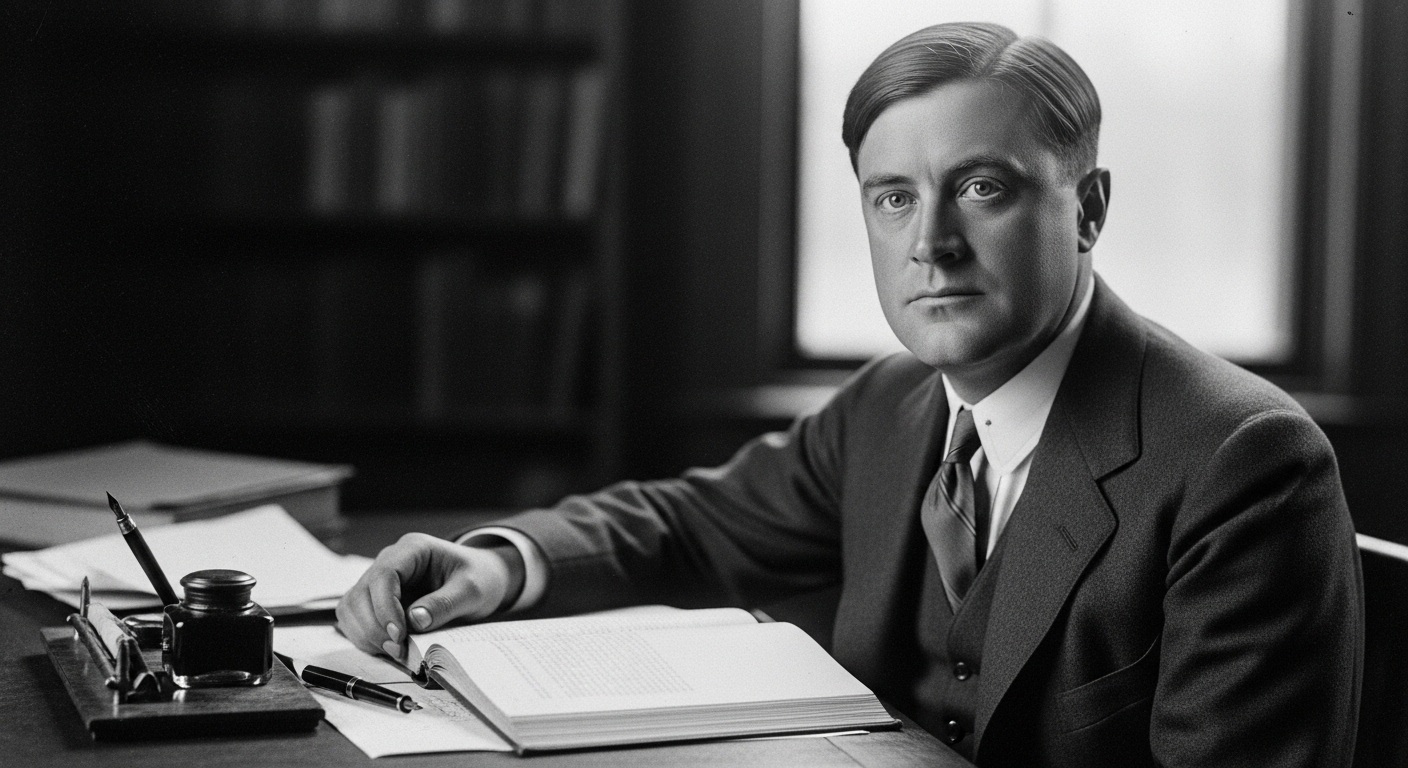
Fitzgerald ne 1920s ke “Jazz Age” ko apni writing mein dikhaya. Unki sab se famous novel The Great Gatsby hai, jo American dream aur society ki reality ko explore karti hai.