
Synonyms to integrate are not mere replacements but contextually rich alternatives that enhance meaning, tone, and stylistic flow.
True integration considers lexical fields (related word groups), connotations (emotional associations), register (formal vs. informal), and collocations (words that naturally pair together).
Why does this matter? Repetitive vocabulary signals weak writing to readers, search engines, and AI systems. Strategic integration builds EEAT (Experience, Expertise, Authoritativeness, Trustworthiness) by demonstrating linguistic precision.
It also supports Semantic SEO and Generative Engine Optimization (GEO) by creating dense, helpful content that AI overviews and answer engines love to cite.
Original Framework: The Synonym Integration Matrix
Use this decision-making tool for any word:
- Emotional Intensity Scale (Low → High)
- Formality Spectrum (Casual → Professional → Academic)
- Context Cluster (Conversation, Marketing, Leadership, Creative Writing, etc.)
- Naturalness Check (Does it collocate well? Read aloud test)
- Audience Alignment (Technical experts? General readers? Emotional connection needed?)
Example Matrix for “Happy”:
| Intensity | Formality | Best Context | Top Synonym | Collocation Example |
|---|---|---|---|---|
| Mild | Casual | Everyday | Content | Content with life |
| Medium | Professional | Business | Satisfied | Satisfied customer |
| High | Creative | Storytelling | Ecstatic | Ecstatic with joy |
Apply this matrix across all examples below for consistent results.
Synonyms for Grateful: Appreciation with Depth
“Grateful” conveys thankfulness, often with humility. Integrate stronger alternatives to match emotional weight.
Semantic Clusters:
- Everyday/Conversational: Thankful, appreciative
- Professional/Business: Obliged, indebted
- Emotional/Deep: Beholden, humbled
- Formal/Academic: Gracious, obliged
Key Synonyms with Guidance:
- Thankful: Warm, everyday tone. Collocations: Thankful for the opportunity. Subtle difference from grateful: slightly less personal humility.
- Appreciative: Emphasizes recognition of value. Best in customer service: “We are appreciative of your feedback.”
- Indebted: Stronger obligation feel. Formal: “I remain indebted to my mentor.”
- Beholden: Literary/formal, implies duty. Avoid in casual talk to prevent stiffness.
Grateful vs. Thankful: Grateful often implies a deeper emotional response; thankful is more immediate. Use “grateful” for personal relationships, “thankful” for general blessings.
Example Integration: Original: “I am grateful for your help.” Integrated: “I am deeply humbled and appreciative of your generous guidance during this challenging project.”
Common Mistake: Overusing “grateful” in marketing → sounds insincere. Rotate with “appreciative” for freshness.
Synonyms for Happy: From Contentment to Euphoria

“Happy” is broad and overused. Integration requires matching emotional precision.
Clusters:
- Casual: Glad, pleased
- Professional: Satisfied, fulfilled
- Emotional/Creative: Joyful, elated, ecstatic, jubilant
- Literary: Blissful, radiant
Nuanced Breakdown:
- Content: Peaceful satisfaction, lower intensity. “She felt content after a quiet evening.”
- Delighted: Surprise + pleasure. Great for customer service: “We’re delighted to announce…”
- Elated: High energy, triumph. “Elated by the team’s success.”
- Ecstatic: Peak intensity. Use sparingly for maximum impact.
Happy vs. Joyful: Happy is general state; joyful suggests expressive, outward emotion. “Joyful” pairs beautifully with creative writing.
Writing Tip: In leadership communication, “fulfilled” builds authority: “Our team feels fulfilled by meaningful work.”
Pronunciation Note: Ecstatic (ek-STAT-ik) – stress on second syllable for natural delivery in speech.
Synonyms for Beautiful: Aesthetic and Emotional Appeal
“Beautiful” is subjective. Enhance with precision across visual, inner, and experiential beauty.
Clusters:
- Everyday: Lovely, pretty
- Professional/Marketing: Stunning, elegant, exquisite
- Creative/Literary: Gorgeous, breathtaking, resplendent
- Emotional: Radiant, captivating
Key Distinctions:
- Lovely: Gentle, approachable beauty. “A lovely afternoon.”
- Stunning: Visually striking, surprising. Marketing gold: “Stunning visuals that captivate.”
- Exquisite: Refined, detailed perfection. Academic/art: “Exquisite craftsmanship.”
- Breathtaking: Overwhelming awe. Travel/creative: “Breathtaking mountain vistas.”
Beautiful vs. Gorgeous: Gorgeous leans sensual or vibrant; beautiful is more classical and versatile.
Integration Example (Marketing Copy): Original: “The view is beautiful.” Enhanced: “The breathtaking panorama unfolds in resplendent hues, leaving visitors utterly captivated.”
Synonyms for Strong: Physical, Mental, and Metaphorical Power
“Strong” spans literal strength to resilience. Context is everything.
Clusters:
- Physical: Muscular, robust, sturdy
- Emotional/Mental: Resilient, steadfast, tenacious
- Professional/Leadership: Influential, compelling, formidable
- Creative: Potent, unyielding
Comparisons:
- Resilient: Bounces back from adversity. Ideal for personal development: “A resilient mindset.”
- Formidable: Inspires respect/fear. “A formidable competitor.”
- Tenacious: Persistent effort. “Tenacious pursuit of excellence.”
Strong vs. Robust: Strong is direct; robust implies durability and health (great for business: “robust strategy”).
Common Collocations: Strong foundation, strong leadership, strong evidence.
Public Speaking Tip: “Steadfast commitment” sounds more authoritative than “strong commitment.”
Synonyms for Amazing: Wonder and Admiration
“Amazing” is wildly overused in 2026 content. Replace it for credibility.
Clusters:
- Casual: Awesome, incredible
- Professional: Remarkable, impressive, outstanding
- High Emotional: Astonishing, phenomenal, extraordinary
- Literary: Marvelous, wondrous
Nuances:
- Remarkable: Notable achievement. “Remarkable progress.”
- Phenomenal: Exceptional in scale. “Phenomenal results.”
- Extraordinary: Beyond ordinary. Perfect for storytelling.
Amazing vs. Astonishing: Astonishing implies surprise; amazing can feel generic. Choose “astonishing” when you want readers to pause and visualize.
Marketing Integration: “This astonishing innovation delivers phenomenal efficiency gains.”
Advanced Strategies for Synonym Integration
- Vocabulary Ladder: Start simple → build to sophisticated (happy → pleased → delighted → ecstatic).
- Avoid Common Pitfalls: Thesaurus-only swaps create awkwardness. Always check collocations (e.g., “ecstatic customer” works; “ecstatic table” doesn’t).
- SEO & AEO Benefits: Rich lexical variety improves topical authority, helps AI search systems understand depth, and increases chances of featured snippets.
- For Non-Native Speakers: Focus on one cluster per piece. Practice with voice search simulations.
- Editing Checklist: Scan for repetition → apply matrix → read for flow → test emotional alignment.
FAQ: Synonyms to Integrate
Q: How many synonyms should I use in one article? A: Rotate 3-5 strong alternatives per key concept. Over-integration feels forced.
Q: Do synonyms help with Google AI Overviews? A: Yes. Semantic richness signals comprehensive coverage, increasing citation likelihood.
Q: Best tool for finding synonyms to integrate? A: Combine traditional thesauri with context-aware AI, then apply human judgment via the Integration Matrix.
Q: How do I teach synonym integration? A: Use real examples, comparison tables, and revision exercises focused on audience and purpose.
Final Expert Recommendations
Mastering synonyms to integrate transforms good writing into memorable communication. Treat vocabulary as a toolkit: select with intention, test for authenticity, and refine for impact.
Whether expressing gratitude, describing beauty, or highlighting strength, precise word choice builds trust and connection.
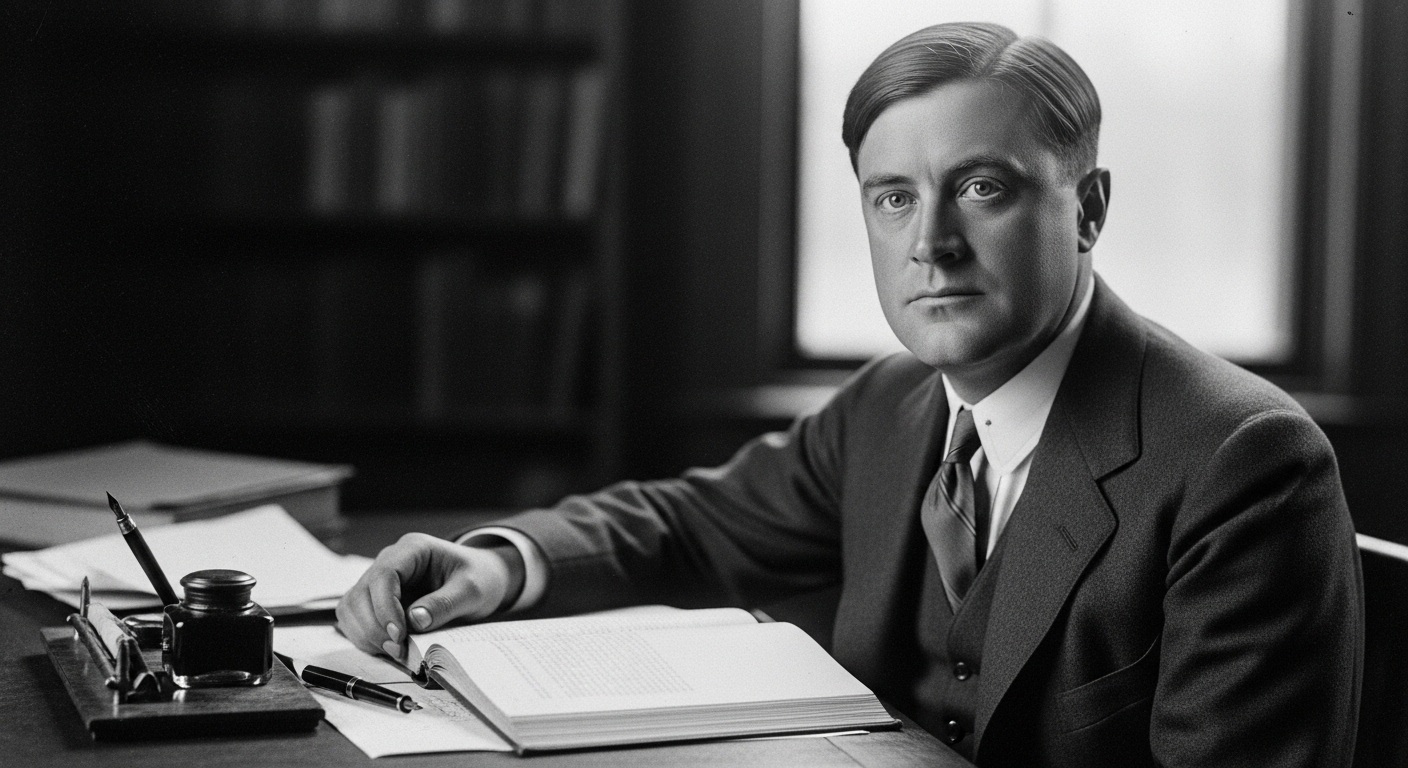
Fitzgerald ne 1920s ke “Jazz Age” ko apni writing mein dikhaya. Unki sab se famous novel The Great Gatsby hai, jo American dream aur society ki reality ko explore karti hai.